During our intro sessions and check-in meetings, I always ask the person in front of me what are some things they want to focus on in the coming months.
One thing that comes up more often than not is getting more protein in their diet.
I love that goal. It can be a major positive change, especially when paired with a solid workout routine.
I’ll usually ask two simple questions:
“How much protein are you eating?”
“What are your main protein sources right now?”
First off, most of us don’t know how much protein we eat day to day (which is totally fine and normal).
Secondly, we hear a lot of people turning the question back on us on what protein sources they should be eating.
I love the example of my grandmother and her protein journey.
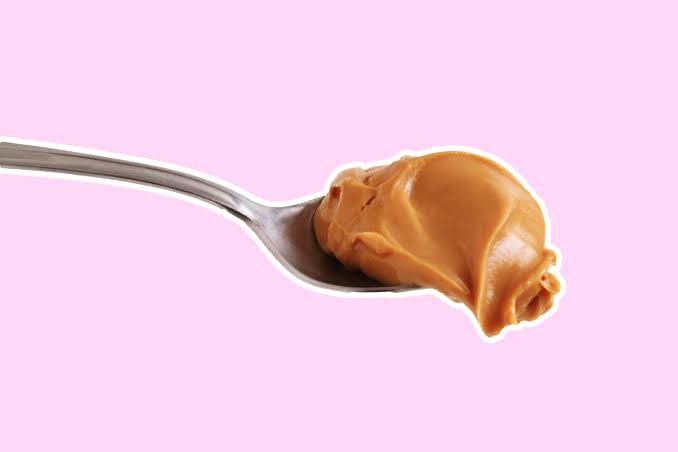
She asked me to help her get more protein in her diet. Before asking me, she went to the store and bought protein bars, cheese, nuts, and peanut butter.
Now… these food are not bad at all!
They can actually be a very healthy food in just about any diet.
The problem: They’re not great protein sources.
Foods like cheese, nuts, and peanut butter are actually much higher in fat than they are in protein.
So to get the amount of protein you might be aiming for, more calories will come along with that.
How do you find a good protein source?
Step 1: Take a look at the nutrition facts of the food
Step 2: See what nutrient is the most prominent
Step 3: Look at the calories
We first want to see what nutrient (protein, fat, carb) is the highest on the package.
Peanut butter –> Fats will be greater than carbs and protein.
Bread –> Carbs will be greater than carbs and protein.
Beef jerky –> Protein will be great than carbs and fats.
We also want to look at the calories and see the percentage of protein to calories. Some people call it the 10% rule. Looking for foods that have 1 gram of protein for every 10 calories (10%).
Why does this rule work?
Protein has 4 calories per gram. So when a food meets this rule, it means a solid portion of its calories is actually coming from protein, not just fat or carbs.
It can be a really quick check to make sure the amount of calories to protein is on track with what you are aiming for.
Quick examples:
- Greek yogurt (plain):
~100 calories, ~10g protein → ✅ Great protein source - Chicken breast:
~120 calories, ~22g protein → ✅ Great protein source - Peanut butter:
~190 calories, 7g protein → ❌ Not a great protein source
We aren’t saying avoid all other foods, but when it comes to protein, we want your sources to be on target!
So next time you are trying to figure out your protein sources for the week:
- Check out the nutrition label
- Find the main nutrient source
- Follow the 10% rule
In good health,
Jeff