As a coach, I know not everyone will train with us forever. So our goal isn’t just to help someone reach their short-term goals, it’s to prepare them to train for life, no matter the circumstances.
Everyone has a reason they’re in the gym. And it’s not just the generic “goals” we often hear. Those can be superficial. What most people think they should want, rather than what they actually want.
So be honest with yourself:
What is the real reason you’re exercising today?
For me, it’s all about building a resilient, healthy body that functions well long-term. That’s the motor behind just about everything I do with my health and fitness.
Your reason is your own. But your reason is also Step #1 in figuring out what exercises you should be doing.
Step #1: Know Your Why
Your “why” determines your direction.
Someone training for a marathon will need a completely different plan than someone preparing to be able to keep up with their grand-kids as they age. Both are valid, but your goals shape everything from your exercise selection to your weekly training structure.
Step #2: Know Your Starting Point
Where you’re starting from matters…a lot. Beginners, intermediate, and advanced gym-goers can all do similar exercises, but the sets, reps, and progressions will look different.
Getting an assessment is a great way to find out what exercises you can do well right now.
Here are the major movement patterns I like to start with:
- Squat
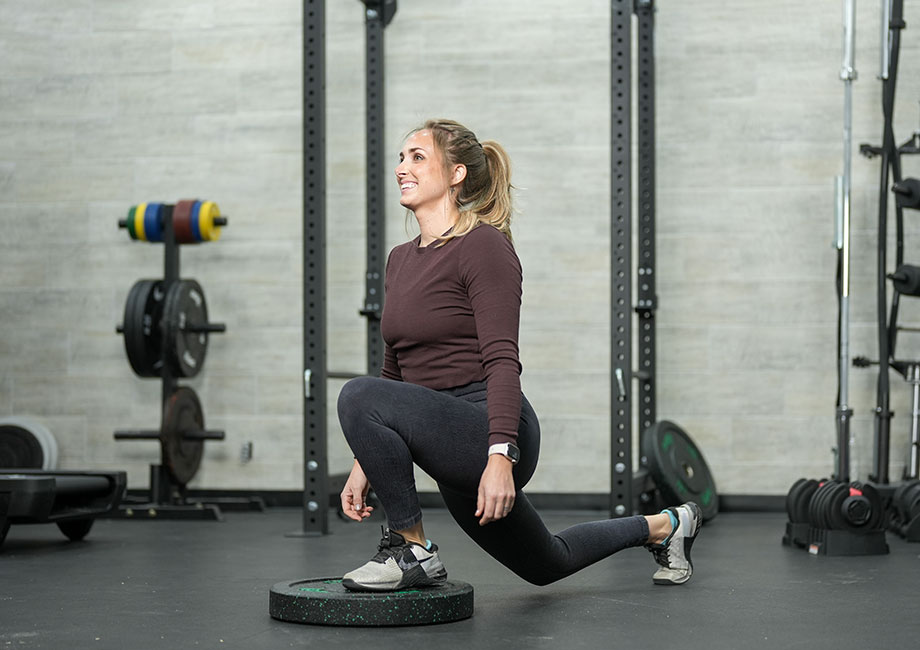
- Single-leg squat
- Hinge
- Upper Body Push
- Upper Body Pull
- Core stability
Ask yourself:
- Which of these can you perform well?
- Which ones need work?
If you focus on perfecting these patterns, you’ll already be ahead of 90% of people in the gym.
Step #3: Address Your Weaknesses
This is where another assessment can really help. Not just to see what is difficult, but why it’s difficult.
Example:
If your squats are a struggle — maybe your chest caves in and your heels come off the ground — then you may need:
- Upper back strength
- Hamstring and glute strength
- Ankle mobility
Here’s how to start addressing those areas:
Upper Back:
- Band pull-aparts
- Face pulls
- Y-W-T isometric holds
- Loaded carries
Hamstrings:
- Romanian deadlifts
- Slide disk hamstring curls
- 45 degree back extension
- Sled pushes
Glutes:
- Glute bridges / single-leg bridges
- Hip thrusts
- Sorenson holds
Ankle Mobility:
- Combat stretch
- Calf stretching
- Band-assisted ankle mobilizations
- Foot rolling
Working on your weaknesses not only helps prevent injury and fix imbalances, but it also opens the door to new exercises and better progress long-term.
Step #4: Be Curious
As you get stronger and more confident, stay curious. Learn new progressions. Ask questions. Hire a coach. Try new things but always with intention.
Ask yourself: “Why am I doing this exercise?”
If you don’t have a good reason, it probably doesn’t belong in your program (at least not right now).
Stick to the basics at first, then explore variations that align with your goals and level.
A Go-To Workout Template
Here’s a simple full-body workout format I use with clients and in my own training:
1A. Squat or single-leg squat
1B. Upper body pull
2A. Hinge or hamstring curl
2B. Upper body push
3A. Core stability
3B. Loaded carry
3C. Arms or upper back exercise
This format checks all the boxes — balance, structure, efficiency — and can be adapted for any level.
So What’s Next?
- Find exercises that match your why.
- Adjust to your current level.
- Plug them into a solid template.
- Then stay consistent and look for progress over time.
Most importantly, stay within your limits and prioritize good form. That’s where progress, longevity, and results truly come from.
In good health,
Jeff