Mostly everyone who has exercised or gone through some physical activity has endured and hopefully overcome a torturing day (or more) of muscle soreness. This can sometimes hinder a lot of other activities you had planned to do throughout your day, BUT you are damn sure that your workout was a good one if you can’t walk down the stairs, right? Well I am going to share 3 things we should all know about muscle soreness and hopefully give some insight to this achey topic.
NUMBER 1: WHAT IS MUSCLE SORENESS?
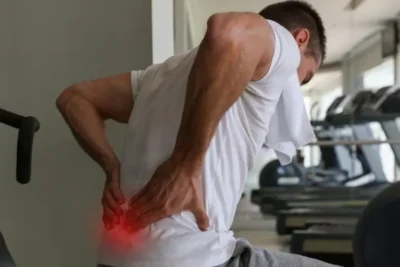
Muscle soreness is actually swelling in the muscle compartment, which is a direct result from fluids and other nutrients (such as white blood cells) sent to the area to repair the muscles after being broken down (or damaged) with a workout. This swelling can built up for a few days after the actual workout which is why many people feel the most soreness 2 days after a workout. This is called Delayed Onset Muscle Soreness, and it can be a grueling process to relieve this type of soreness. This is just the basics of what the soreness actually is but lets move into if soreness is actually beneficial.
NUMBER 2: IS MUSCLE SORENESS A GOOD THING?
Many people correlate muscle soreness with a good workout. “That leg workout yesterday was awesome, I wasn’t even able to sit on the toilet today!” In cases such as this the correlation leads to some improper logical reasoning in thinking that if you are not sore after a workout then it wasn’t good or you didn’t do enough work. THIS IS NOT THE CASE! Severe muscle soreness is not always a good thing. A little soreness can be a good gauge to see the level of intensity that is optimal for your training at that specific time, but extremely painful muscle soreness is actually a tell tale sign of overtraining.
If you are getting so sore to the point you can’t move you are doing too much damage to that particular muscle group. Then from here it is usually a vicious cycle of resting the muscle until it feels better and then doing the same thing and getting as sore as possible. You are not sending an optimal signal to the muscle to be able to grow properly and instead are just damaging and re-damaging the muscle which in turn is mostly likely not allowing you to gain strength and also not allowing you to increase the size of that particular muscle.
In this case all you need to do is ramp DOWN on the intensity. Whether that means longer rest periods, less volume, or decreasing the weight; all will be beneficial to being able to send an adequate muscle building signal to the targeted area. This also pairs with enough muscle damage to create adaptation but not too much damage to hinder growth.
Now if you are severely sore and regret your decision of doing 36 sets of squats the day before lets look at some ways to alleviate some pain.
NUMBER 3: HOW DO I RELIEVE MY MUSCLE SORENESS
Let’s start this portion off by saying there is not really any particular way to make this muscle soreness completely vanish, but there are ways to release some pressure in the area.
- The first thing you must do is to release some of the pressure with a little bit of force. This can be foam rolling, rolling with a lacrosse ball, anything that gets some deep tissue work in the area will work fine. Now this won’t feel great while you’re doing it put trust me it will feel better later on.
- The second thing you must do is open the area with some light stretching. These stretches should be very particular to the specific area that hurts so focus on one part at a time and hold a stretch for AT LEAST 1-2 minutes. If your chest is hurting you can do a doorway stretch, if your quads hurt you can do a standing or kneeling quad pull, these are just some basic examples, just make sure to hold them for the whole 1-2 minutes.
- The last thing you must do once these first two steps are completed is get some motion in the area. This can be doing some light are raises for your shoulders, some criss-cross arm swings for your chest, or going on a light walk for your legs. All these things should be done in a SLOW manner and should not increase your heart rate at all. With these motions it is an attempt to get some sort of blood flow to the area after releasing, and stretching the area.
Hopefully some of this information is helpful! Leave a comment down below if you gave it a shot!
Email me with any fitness, nutrition, or questions about programming!
JnHealthandFitness@aol.com