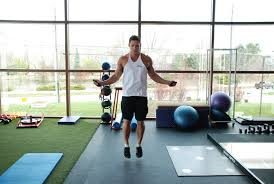
Warming up before any sort of physical activity is a general rule of thumb across the board. With a good and effective warm-up routine you are able to work on imbalances, reduce the risk of major injuries, and improve productivity in your activity.
For most of my life before a workout or before a sporting event I warmed-up in the least optimal way for my body, also in a way that probably hindered my performances in both these categories. When I began to realize how/what I should be doing before physical activity that is optimal for MY body I began to see major improvements in productivity, strength output, and mobility.
What NOT To Do
- Static Stretching– Static stretching is something you should definitely avoid before workouts or physical activities. The reason for this is due to your bodies response to this during particular activities.
Let’s say you are warming up to do some squats in a workout and you decide to do some lower body static stretching. You do some standing hamstring stretches, a few long quad pulls, and maybe some static hip-flexor work. You have stretched out and hop under the bar to begin squatting, you will definitely feel that you have a deeper range of motion in the squat and feel really good to toss some heavy weight on the bar- and this is where injuries occur. You have just told your body that you can exceed its normal ranges of motion in those areas you have stretched, BUT with a heavy load you are unable to support such ranges of motion putting your in a dangerous position.
Static stretching will put your body into a range of motion you are unable to support with load or with force (this means sports and other forms of exercise as well) making you very susceptible to injury.
2. Vigorous Cardio– This is another area you should avoid before exerting force in a form of activity. This is something I like to toss in due to the fact I see so many people do this everyday. They will go balls to the wall on the treadmill or the elliptical and then hop right into some heavy lifting and think because they are sweating that they are ready to go. FALSE- the only thing you have done is broken your CNS (central nervous system) and put you in another position where you may get hurt. If this is done on a regular basis you will overwork your CNS completely as well as overtrain, which, in turn, can cause you to take many steps backwards.
What You SHOULD Be Doing
- Dynamic Warm-up Routines For Your Body– Dynamic warm-ups do not have to be hard and fast, it just means that you must keeping motion throughout each exercise. So if you are doing half-kneeling hip flexor work, rock back to disengage the hip flexors and then rock forward while locking your pelvis into place and keep repeating this motion without overworking the area. Any movements can be done in this fashion just be sure to not push past where your body is telling you, this will ensure that you are not overstretched as with the static stretching.
Don’t Forget to focus on what YOUR BODY needs. Let’s stick with the squatting example: If you have really tight external rotation within your hips and your quads are never really tight, focus on getting some mobility work done on your hips, there is no need to have the same of more emphasis on your quads–so focus on where you need it the most.
2. Soft Tissue Work– Although I do not advise extreme soft tissue work before a workout (too much can cause similar effects as static stretching) I do think there is a perfect amount for areas on the body. Now this is another part that people need to focus on their own bodies. With any soft tissue work I always say to find your overactive muscles. Whether its your upper traps, your lats, hip flexors, pec minor-FIND YOUR AREAS- you don’t have to work out areas that you aren’t overactive in before a workout but can be beneficial after a workout. Now don’t do too much of this, a good 30 seconds on GOOD soft tissue work where you are moving, applying good pressure, and breathing will do just fine. Once you finish with this, it is a perfect time to move into your dynamic warm-up exercises to keep that area from seizing back up.
3. Get Your Muscles Ready- I do this with every client that I train and it is something that has changed the way my clients have progressed. The basis of this portion is to be done after soft tissue work and the dynamic work. We are now going to activate the muscles you plan on using in your activity. If we are sticking with squats for our example: We need to wake up some muscles that are used in a squat. In many cases people have a hard time activating their flutes due to sitting for extended periods of time. This would be a good time to do some traditional or frog bridges, maybe even some lateral band walks. This will activate the muscles in the glutes and even in the hips so when we squat we don’t roll forward onto our toes.
This can also be used if you want to target a particular muscle in a movement (mostly used in compound movements)- lets say someone wants to focus solely on their quads in a squat, doing some slow, controlled, and contracting leg extensions or sissy squats could be a good priming movement. This principal works for all areas of the body.
In another post I am hoping to go into more detail about what specific exercises are good for these areas, so keep a lookout for that!
Hope you enjoyed the post- JNHealthandFitness@aol.com for questions and programming inquiries!