
They happen to everyone, hitting a plateau in the gym can be one of the most frustrating things that can occur. Its like hitting a brick wall and no matter what, the weight just isn’t moving the way you want it to. Through my time lifting I have found what works best for me to break through these plateaus. In a basic sense there has to be a change because clearly whatever you are doing is not working. But this does not mean change your whole program or gear everything away from your goals, this change can be as easy as just adding a few accessories to assist the movement and break through that plateau.
Here is a list of a few things I do to get through these ruts.
- Start with pause reps.
One thing that has always been my go to assistance movement is pause reps, whether it is benching, squatting, or deadlifting, I always first try to incorporate pause reps. I make sure the weight is still moderately heavy and still difficult to move and do pause reps from anywhere between 2-3 seconds, sometimes even move them up to 5 seconds to really try and break new weight. By doing this you will gain control over the weight and increase your time under tension in turn making the regular movement seem easier and more fluid. - Deficit/ Elevation Techniques
Using deficit mainly only works well with deadliffts but can also be very effective with squats as well. By using a deficit you are making the range of motion much longer and in turn using more muscle activation to move the weight. Doing this a few times a week will make the regular movement which is a much smaller range of motion seem much easier compared to the deficit work. For deadlifts use around a 3″ piece of wood or a bumper plate to stand on while the bar is still in its normal position. For squats try using a small box to aim for with your squats in sort of a box squat kind of movement. This will get you to aim more ass to grass and increase that range of motion just that much more.
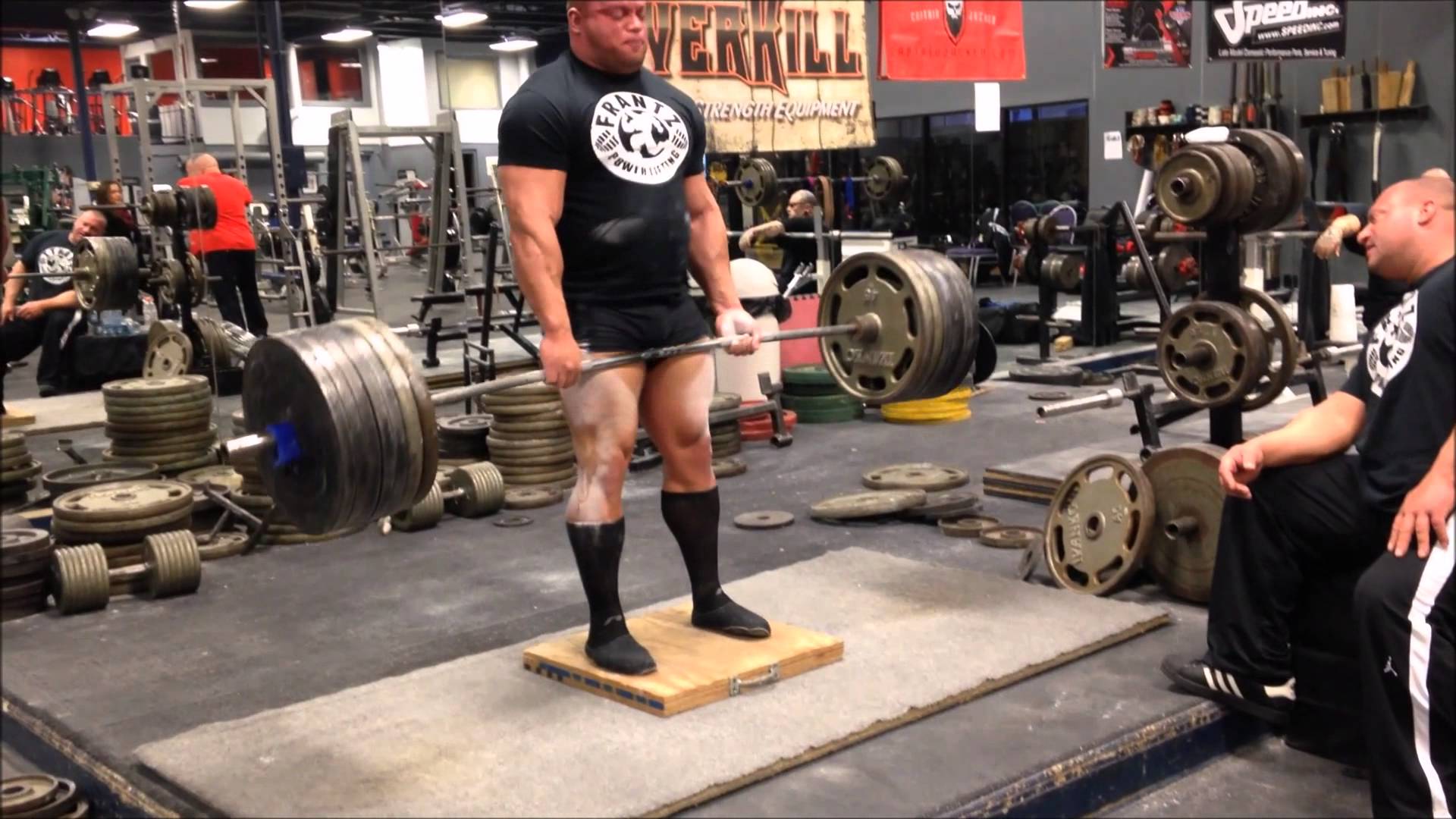
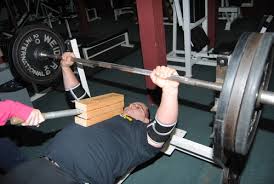
In contrary to deficits you can also do elevation work. This can be done by elevating the bar for deadlifts or doing rack pulls, using a block for the bench press, or using a higher box for squats. These techniques will let you use more weight than you normally do and let you overload that exercise. This will get your body accustomed to maintaining that much weight for a movement which is more than normal. So when you go back down to your working weight in the regular movement it will feel lighter because your body was used to the overloaded weight. This is kind of like using a donut for baseball players to get the feel of the bat to be a little bit lighter.
- Change Up the Order
Assuming you are doing regular accessory work to improve your strength all around, a good idea is to move the exercise you are stuck with to the end for a few weeks or sessions. This is a good technique because it will break down that muscle group before doing that movement so instead of using fresh/strong muscles you are fatigued making that exercise much harder. After a few sessions doing this move it back to the beginning of your workout and see if it helped improve the weight.The main idea behind these three points is to make the lifts harder than they are originally. Like I said above it will get you activating other muscles more which will in turn activate when you do the regular movement and hopefully help you break that plateau. Give some of these a shot and let me know how they worked out!!